Benefits of Hiring Sod Installation Near Me for a Lush Green Lawn
Self-Installation of Sod: A Comprehensive Guide for Homeowners
If you're seeking to improve your outdoor space, DIY sod installation may be the perfect solution. With the right preparation and approach, you can establish a lush, green lawn that improves your home. Before you get started, however, there are important factors to evaluate to guarantee success. Let's explore the steps you need to take to create a vibrant lawn that you can be proud of.
Picking the Ideal Type of Sod for Your Lawn
When picking the right type of sod for your lawn, how do you identify which variety will flourish in your specific environment? Start by considering your climate. Summer grasses, such as Bermuda and Zoysia, flourish in warm, sunny zones, while cold-season grasses, such as Kentucky Bluegrass and Fescue, do better in cooler temperatures. Next, assess sunlight exposure. If your property gets complete sun, you can go with a more extensive range of options. However, shaded locations often call for specialized varieties. Also, assess your lawn's use; if there's high traffic, you'll need a durable type. Finally, contact local gardening centers or extension services to get recommendations based on your region. Selecting wisely now will result in a lush, healthy lawn later.
Prepare Your Lawn: Site Preparation and Soil Testing
Prior to laying sod, it's crucial to prepare your yard properly, beginning with site preparation and soil testing. First, check your soil's nutrient levels and pH using a straightforward kit from your local garden center. This should help you determine what supplements your soil demands for perfect growth.
Next, eliminate any weeds, debris, or existing grass. If necessary, utilize a shovel or a sod cutter to eliminate existing grass and roots. Next, till the soil to a depth of about 4-6 inches, providing enhanced drainage and root penetration.
In conclusion, even out the soil to create an even surface, making certain of good contact between the sod and soil. Following these measures will provide your new sod the greatest potential to prosper.
Equipment and Supplies for DIY Sod Installation
Collecting the right tools and materials is vital for a successful DIY sod installation. Begin with a sharp spade or sod cutter to eliminate old grass and prepare the area. You'll also need a rake for smoothing the soil and a shovel for digging. A garden hose or sprinkler can help you guarantee proper irrigation after laying the sod. Don't forget a measuring tape to map out your layout precisely.
When it comes to materials, purchase quality sod that matches your climate and soil type. Additionally, grab some topsoil or compost to amend your existing soil, and consider a roller to flatten the sod once it's been laid. Getting these tools and materials ready will ensure your installation process smoother and more efficient.
Complete Guide: How to Lay DIY Sod With Professional Results
Putting down sod can change your lawn into a luxuriant, green sanctuary in just a couple of hours. Initially, get the area ready by eliminating debris and smoothing the soil. Next, moisten the soil slightly to help the sod establish better. Commence installing the sod along a straight border, alternating the seams like brickwork. Push the borders together tightly to remove gaps. Employ a sharp cutter to slice any surplus sod at the perimeter. After laying, roll the sod gently with a roller to guarantee good soil contact. Irrigate the sod right away, saturating it completely. Preserve the sod wet but not oversaturated for the first two weeks. Follow these steps, and you'll have a beautiful lawn in no time!
Essential Care and Watering Guidelines After You've Finished Laying Fresh Sod
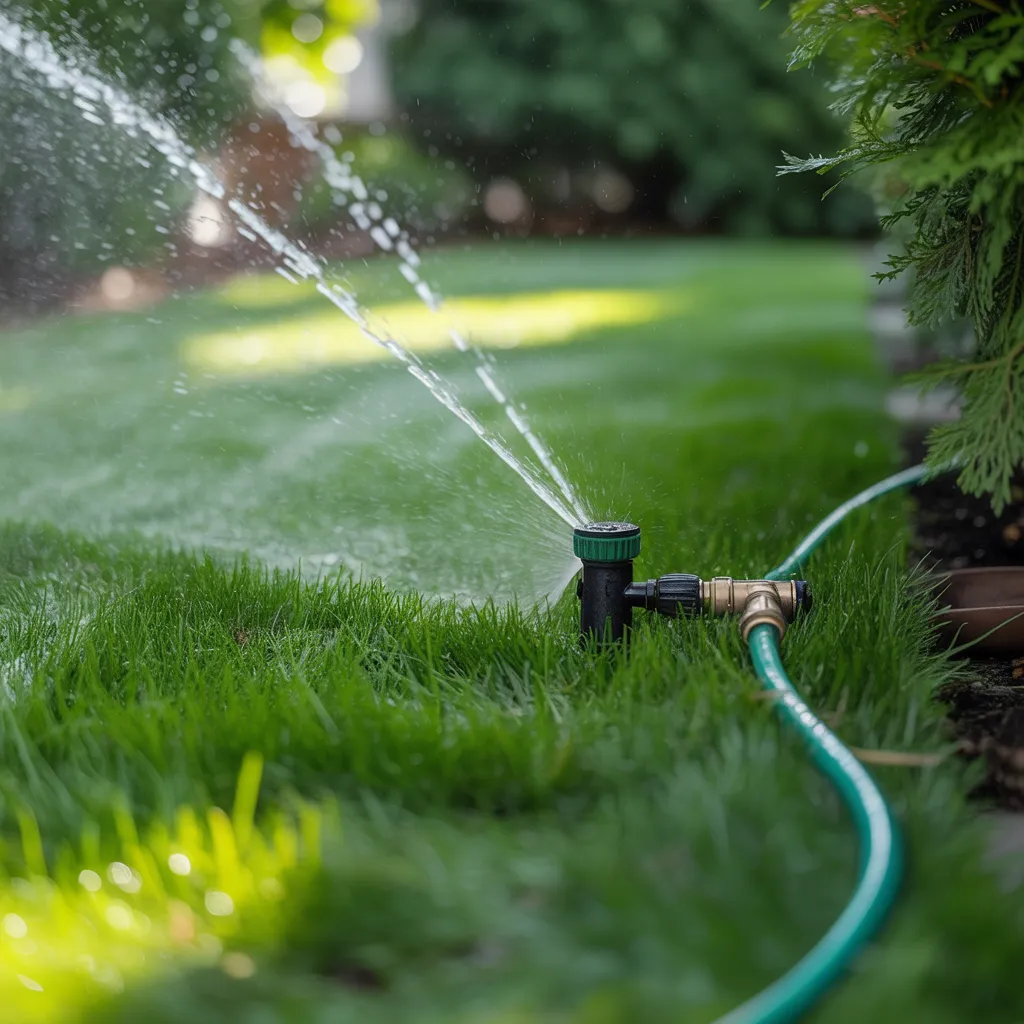
After you've properly installed your sod, correct watering and upkeep are crucial to guaranteeing it roots properly and prospers. Begin by irrigating your new sod directly following installation, watering it deeply to support deep root growth. For the first two weeks, keep the soil constantly damp, watering daily or even twice a day if it's hot and sunny. Following this period, cut back watering to two to three times a week, according to rainfall and temperature. Ensure you mow your sod once it grows to about three inches in height, but never remove more than one-third of the height at any single cutting. At last, apply a starter fertilizer after roughly four weeks to provide your fresh lawn with necessary nutrients to thrive.
Resolving Issues: Steps to Take If Your Sod Fails to Root?
When your sod fails to establish, it's time to diagnose what's wrong. Begin by examining soil moisture levels, as excessive or insufficient watering can impede development. Following this, look for pest infestations and check sunlight exposure to make sure your sod gets the right conditions to establish successfully.
Monitor Ground Moisture Amount
How can you tell if your soil has the right moisture levels for sod to thrive? First, examine the soil using your fingers. Dig down about an inch; it should feel moist but not soggy. Dry conditions can prevent your sod from establishing a strong root system. Irrigate the space well and allow a few days to pass before testing again. Should you notice standing water or muddy conditions, you're likely watering too much. Another method is using a soil moisture meter, which gives a clear reading of moisture levels. Ideally, you want the soil to be consistently damp but well-draining. Adequate moisture ensures your sod establishes roots and develops vigorously, creating the basis for a verdant lawn. Modify your watering routine as necessary to achieve optimal outcomes.
Search for Pests
Inspecting for pests is crucial when your sod won't establish properly. Start by checking the grass blades and soil for any evidence of insects such as grubs, chinch bugs, discover the information or sod webworms. Look for patchy patches, discoloration, or dead spots, which could indicate an infestation. If you detect any pests, act quickly. You can use insecticidal soap or neem oil for a organic approach, or opt for chemical treatments formulated for specific pests. Moreover, check for evidence of disease, like fungus or mold, which can also compromise your sod's health. Don't neglect to inspect the nearby area, too, as pests can easily migrate from nearby plants. Addressing pest issues promptly will help your sod prosper.
Evaluate Sun Exposure
Are you certain your sod is getting enough sunlight? If your sod isn't taking root, poor sunlight could be the culprit. Most grass types prosper in full sun, needing at least 6 to 8 hours of direct sunlight daily. Check your yard for any shading from trees, buildings, or fences that could block required light. If you discover areas lacking sunlight, consider trimming back overgrown plants or transplanting sod to a sunnier location. You could also look into shade-tolerant grass varieties if your yard is primarily shaded. Remember, healthy grass requires that sunlight to form deep roots. Assess your sunlight exposure regularly, and make changes as needed to guarantee your new sod prospers.
Is Professional Lawn Care Right for You?
Although numerous property owners pride themselves on their do-it-yourself abilities, installing sod can be a challenging task that leaves you wondering if it's better to call in the pros. If you have limited experience in lawn care or can't commit adequate time to the task, hiring professionals might be your best bet. They'll guarantee proper soil preparation, exact calculations, and superior installation techniques, delivering a beautiful, flourishing yard.
Additionally, if your yard has unique challenges, such as poor drainage or uneven terrain, specialists can resolve these issues effectively. Keep in mind, utilizing professional help can save you time and frustration, resulting in a healthy lawn that enhances your property's curb appeal. In the end, evaluate your capabilities and schedule against the prospective benefits of bringing in a pro.
Common Questions
What's the Timeline for Sod to Root Correctly?
It generally takes approximately two to three weeks to root correctly. While the sod is rooting, ensure the soil stays evenly moist, and limit foot traffic to make sure your lawn establishes correctly.
Can I Install Sod During Winter Months?
Installing sod during winter months isn't possible. Root development is hindered by cold temperatures, making it difficult for sod to establish. The ideal approach is to wait for spring when the environment is better suited for healthy growth.
How Do I Handle Brown Spots Developing on My Sod?
If your sod develops brown spots, examine for pests, diseases, or poor watering practices. Modify your watering schedule, resolve any concerns, and verify your lawn gets appropriate nutrients. Routine maintenance will assist in reviving those brown areas.
How Often Should I Fertilize My New Sod?
You ought to fertilize your new sod about six to eight weeks after installation. After that, apply a balanced fertilizer every six to eight weeks during the growing season to keep your lawn healthy and vibrant.
Is It Necessary to Edge My Lawn After Putting Down Sod?
Lawn edging should be done after your sod is installed. Edging creates a clean boundary, enhances the overall appearance, and helps maintain soil moisture. Additionally, it stops grass from encroaching on garden beds or walkways.